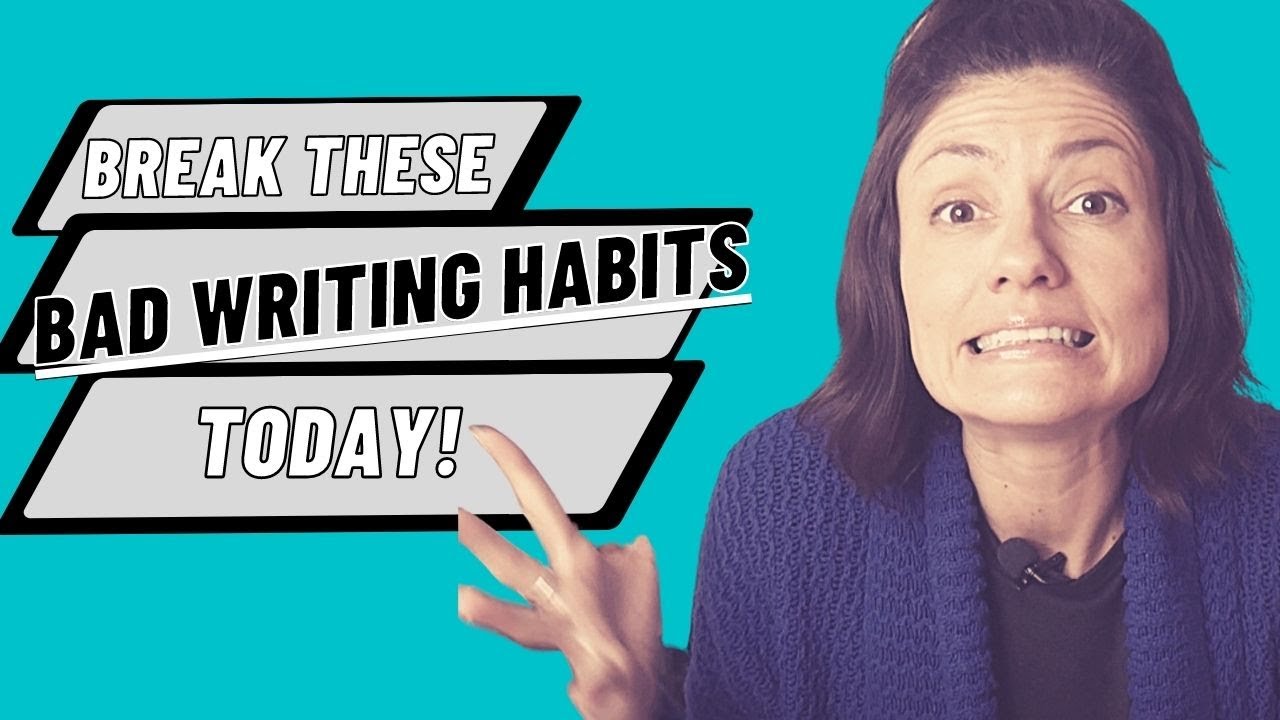
The transcript features Allison Spooner, who discusses common bad writing habits and offers advice to writers on improving their craft. Here are the key points summarized:
-
Community Support: Writing doesn’t have to be a solitary activity. Engaging with a supportive writing community can provide motivation, inspiration, and help overcome challenges.
-
Avoid Deletion: Writers are urged not to delete their work, even if they consider it terrible. Reviewing past work can offer valuable insights and ideas.
-
Writing Discipline: Writers should commit to writing regularly rather than only when they feel inspired. Consistency is essential for progress.
-
No Editing While Writing: It’s recommended to avoid the habit of editing as you write. This can disrupt flow and slow down progress. Writers should push through to complete their drafts before revising.
-
Overcoming Perfectionism: Writers often get stuck on finding the perfect words or names. Instead, it is advised to make notes and continue writing without pausing for perfection.
-
Identify as a Writer: Writers should confidently identify themselves as such, regardless of publication status. This mindset can positively affect self-esteem and creative output.
Overall, the talk encourages writers to break detrimental habits that hinder their writing process and to embrace community and disciplined writing practices.
Here’s a polished, blog-style rewrite with headings and a more structured format:
Breaking Bad Writing Habits: Tips to Help You Write More and Stress Less
Set writing goals. Write every day. Always carry a notebook. Outline. Don’t edit while you write. Write drunk, edit sober…
There are so many writing tips out there, and let’s be honest: some are better than others.
Hi, I’m Allison Spooner—author, yoga instructor, and creative warrior. I’ve been writing for as long as I can remember, and if there’s one thing I know, it’s how overwhelming writing advice can be. Many tips are based on the experiences of individual writers, which means they won’t necessarily work for everyone. That’s okay! The key is finding what works for you.
Today, I want to go beyond generic writing tips and focus on breaking bad writing habits that might limit your creativity and productivity. Let’s dive into them one by one.
Bad Writing Habit #1: Deleting Work You Don’t Like
Have you ever written something you hated and immediately deleted it? Ouch. Don’t do that!
It’s easy to think that terrible sentence or half-baked idea is worthless, but once it’s gone, it’s gone forever. You never know when something might spark inspiration later on.
What to Do Instead
Create a space for the stuff you don’t like—a trash pile, a slush pile, a “junk ideas” file—whatever you want to call it. Save it somewhere so that when you’re stuck or in need of ideas, you can revisit it.
Here’s why:
- It might remind you how much you’ve grown. Looking back at old work can show you how far you’ve come as a writer, and we all need that confidence boost from time to time.
- It could feed future inspiration. That “bad” idea might not work now, but parts of it could spark something great later.
If you really can’t bear to look at it, hide it away. Put a password on the folder or bury the document in a random file—but don’t delete it.
Bad Writing Habit #2: Refusing to Call Yourself a Writer
“If you write, you’re a writer.” Simple, right? And yet so many aspiring authors hesitate to embrace this identity, brushing it off with, “I’m not really a writer; I just write sometimes.”
Why It’s Harmful
When you refuse to call yourself a writer, you feed into imposter syndrome (or, as I like to call it, “imposter tendencies”). The more you deny it, the harder it becomes to believe in yourself and your abilities.
What to Do Instead
Own it! When someone asks what you do, say, “I’m a writer.” The act of saying it out loud helps your brain believe it—reinforcing confidence and authenticity. The more you say it, the easier it becomes, and the more seriously you’ll take your craft.
Bad Writing Habit #3: Editing as You Go
Let’s be real—editing while writing is a momentum killer. You’re in the flow, the words are coming, and then suddenly you decide one word isn’t quite right. You stop to tweak it… and five minutes later, you’re stuck Googling synonyms or reworking the same sentence over and over.
Why It Slows You Down
Editing as you go shifts your focus from storytelling to perfection. This prevents you from seeing the big picture and can leave you spinning your wheels instead of moving forward.
What to Do Instead
- Keep moving forward. If you’re unsure about a word, phrase, or description, highlight it or leave a placeholder, and come back later.
- Write notes like: “Insert better word here” or “Describe this place later.” This protects your momentum while giving you permission to revisit tricky spots during the editing phase.
Pro Tip:
Turn off automatic spellcheck if the red squiggly lines distract you. Just get through the page or chapter before going back!
Bad Writing Habit #4: Getting Stuck on Names, Words, or Descriptions
This goes hand-in-hand with editing as you go. How often have you stalled because you couldn’t find the perfect name for a character or city? It happens to the best of us—but letting it stop you will only slow your progress.
The Fix?
If you’re stuck on something, use a temporary placeholder: “[MainCharacter],” “[CityName],” or “Describe this later.” Keep moving, and trust that you’ll find the right name, word, or description when you come back.
Bad Writing Habit #5: Writing Only When You Feel Like It
We’ve all romanticized the idea of writing when inspiration strikes. Those magical moments when the muse whispers in our ear are amazing—but if you only write when you feel like it, you’re probably not writing as often as you should. Life finds a way to get in the way.
Why Discipline Beats Inspiration
Discipline is what gets books written. The hardest part of writing is often just sitting down and starting, but once you begin, it gets easier.
How to Break the Habit
- Create a routine: Schedule dedicated writing time into your day, even if it’s only 10-20 minutes.
- Start small: Write one sentence. Then write another. Momentum builds quickly once you’re in the chair.
The muse is wonderful, but discipline will always have your back.
Bad Writing Habit #6: Thinking Writing Is a Lonely Craft
Writing doesn’t have to be a solitary process. Sure, there are moments when you’ll need to work alone, but leaning on a community of writers can help you push through challenges, develop new ideas, and stay motivated.
The Power of Community
- Feedback: Other writers can offer constructive criticism and fresh perspectives.
- Support: A writing group can cheer you on and celebrate your wins, no matter how small.
- Inspiration: Sharing struggles and challenges with others can remind you that you’re not alone.
If you don’t already have writing friends or a community, consider joining an online group or local workshop. Writing doesn’t have to feel isolating.
Final Thoughts: Breaking Bad Writing Habits One Step at a Time
Here’s the thing: writing habits (good and bad) take time to build or break. The key is recognizing where you’re getting stuck or holding yourself back, and being intentional about making changes.
Quick Recap of Habits to Break:
- Don’t delete your work—save it for later.
- Call yourself a writer.
- Stop editing as you go.
- Don’t get stuck on finding the perfect name, word, or description.
- Write even when you don’t feel like it.
- Don’t isolate yourself—find a community of writers.
Which of these habits resonates with you the most? Are there others you’re working on breaking? Drop your thoughts in the comments, and let’s talk about them.
Remember, writing doesn’t have to be perfect—it just has to get done. Now, go fight for your creativity and write that next chapter!
Reference
- Original Source: https://youtu.be/7ZRypbRBaUU